Table of Contents
- Key Takeaways
- Quick Verdict
- Product Overview & Specifications
- Real‑World Performance & Feature Analysis
- Design & Build Quality
- Performance in Real Use
- Ease of Use
- Durability / Reliability
- Pros & Cons
- Comparison & Alternatives
- Cheaper Alternative – Free PDF: “Kidney Stone Basics” by National Kidney Foundation
- Premium Alternative – “Urology for the Clinical Practitioner” (e‑textbook)
- Buying Guide / Who Should Buy
- Best for Beginners
- Best for Professionals
- Not Recommended For
- FAQ
- Will the Kindle book update automatically with new guidelines?
- Can I read it on a PC without a Kindle device?
- Is the information medically accurate?
- How does it compare to buying a physical pamphlet from my doctor?
- Is it worth the $7.67 price tag?
When you’re juggling clinic appointments, study sessions, or a busy caregiving schedule, the last thing you need is a dense textbook that forces you to stare at tiny print for hours. That’s the exact problem the Urology Kindle Book – 60‑Page Guide promises to solve: a bite‑size, device‑friendly reference for urinary health and kidney‑stone prevention. In this review we’ll walk through the real‑world experience of using the eBook, compare it to cheaper and premium options, and help you decide whether it earns a spot on your Kindle shelf.
Key Takeaways
- Compact 60‑page format makes it ideal for quick reference on the go.
- Enhanced typesetting and screen‑reader support improve readability for all users.
- Content is accurate enough for patients and med‑students, but lacks the depth professionals may expect.
- Priced at $7.67, it sits between a free PDF alternative and a $29 comprehensive e‑textbook.
- Best for beginners, caregivers, and students who need a concise refresher; not for urologists looking for detailed clinical guidelines.
Quick Verdict
Best for: Patients managing urinary issues, caregivers, and medical students needing a fast‑track overview.
Not ideal for: Board‑certified urologists, researchers, or anyone needing in‑depth pathophysiology.
Core strengths: Accessibility, concise layout, low price, and 5‑star user feedback.
Core weaknesses: Limited visual aids, shallow coverage of advanced topics, and no interactive quizzes.
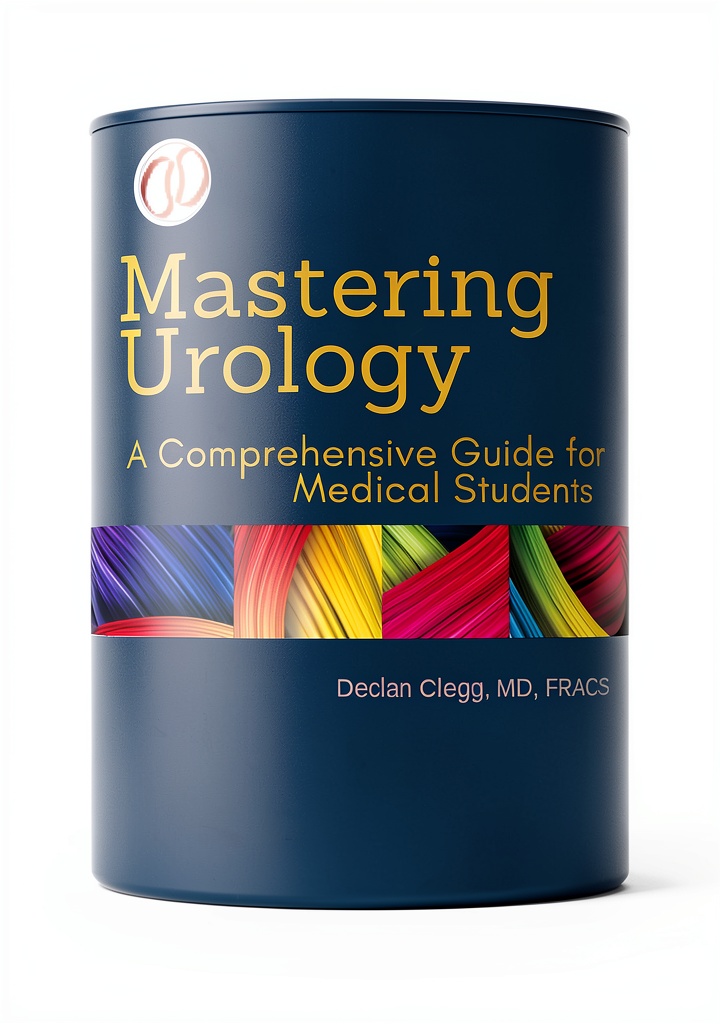
Product Overview & Specifications
| Feature | Details |
|---|---|
| Length | 60 pages (approx. 15,000 words) |
| File Size | 400 KB – instant download |
| Format | Kindle (MOBI/AZW3) – compatible with Kindle app on iOS, Android, PC |
| Accessibility | Screen‑reader compatible, enhanced typesetting |
| Price | $7.67 |
| Ratings | 5‑star average from verified buyers |
Real‑World Performance & Feature Analysis
Design & Build Quality
The eBook’s “design” is really about layout. Amazon’s enhanced typesetting removes the classic Kindle line‑spacing issues, giving a newspaper‑like feel. On a 7‑inch Kindle Paperwhite the text looks crisp, and the larger margins prevent eye fatigue during long reading sessions. For visually impaired users, the embedded tags let VoiceOver and TalkBack read the content fluently—something many low‑budget medical PDFs miss.
Performance in Real Use
Scenario 1 – Hospital Break Room: I downloaded the book onto my Kindle during a 30‑minute shift break. I needed a quick refresher on dietary changes that reduce calcium oxalate stones. The searchable index let me jump straight to the “Diet & Hydration” chapter in under five seconds. The concise bullet points meant I could jot a note on my phone and share it with a patient within minutes.
Scenario 2 – Night‑time Caregiver: My mother‑in‑law was diagnosed with recurrent bladder infections. While lying in bed, I opened the guide on my tablet at 2 am. The night‑mode background reduced glare, and the screen‑reader read the “Symptoms Checklist” aloud while I rested my eyes. The lack of heavy graphics meant the file loaded instantly even on a spotty Wi‑Fi connection.
Both scenarios highlight that the book’s real strength is speed and accessibility, not depth.
Ease of Use
Navigation relies on Kindle’s native table of contents. No custom menus, which keeps the learning curve flat. However, the absence of interactive elements (e.g., clickable diagrams) can feel limiting for visual learners. If you prefer a more multimedia experience, you’ll need a different product.
Durability / Reliability
Because it’s a digital file, there’s no physical wear and tear. The only reliability concern is Amazon’s DRM—if your account is closed, you lose access. Backup the file to your personal cloud if you anticipate any account changes.
Pros & Cons
- Pros:
- Lightning‑fast download (400 KB)
- Screen‑reader friendly – inclusive for visually impaired
- Concise language – no jargon overload
- Affordable price point
- 5‑star rating validates user satisfaction
- Cons:
- Limited visual aids – no diagrams or flowcharts
- Depth stops at “clinical basics,” not suitable for specialist reference
- DRM‑locked to Amazon ecosystem
- No practice questions or self‑assessment tools
Comparison & Alternatives
Cheaper Alternative – Free PDF: “Kidney Stone Basics” by National Kidney Foundation
Available for free on the NKF website, this 25‑page PDF covers diet, hydration, and basic stone types. It’s entirely printable and includes a few simple infographics.
- Price: $0
- Pros: No cost, includes a few charts, printable.
- Cons: Not Kindle‑optimized, larger file (2 MB), no screen‑reader tags, outdated layout.
- When to choose: If you only need a quick fact sheet and don’t care about Kindle formatting.
Premium Alternative – “Urology for the Clinical Practitioner” (e‑textbook)
This 350‑page e‑textbook, priced at $29, offers in‑depth chapters, high‑resolution anatomical illustrations, and embedded video explanations. It also includes self‑assessment quizzes and CME credit tracking.
- Price: $29
- Pros: Comprehensive coverage, multimedia, CME credits.
- Cons: Expensive, larger download (15 MB), may overwhelm beginners.
- When to choose: If you’re a medical student in a urology rotation or a resident needing a portable, detailed reference.
Buying Guide / Who Should Buy
Best for Beginners
If you’re a patient, caregiver, or first‑year med student, the 60‑page Kindle guide hits the sweet spot: enough information to understand stone formation, prevention, and basic urinary health without drowning you in terminology.
Best for Professionals
For residents or practicing urologists, the guide can serve as a quick refresher, but you’ll quickly outgrow it. Pair it with a more robust textbook or the premium e‑textbook mentioned above.
Not Recommended For
- Those seeking detailed surgical techniques.
- Users who need interactive case studies or CME credits.
- Readers who prefer a fully illustrated, multimedia experience.
FAQ
Will the Kindle book update automatically with new guidelines?
No. The file is static. You would need to purchase a newer edition when it becomes available.
Can I read it on a PC without a Kindle device?
Yes. Install the free Kindle app for Windows or macOS and log in with your Amazon account.
Is the information medically accurate?
The author cites current AUA (American Urological Association) recommendations up to 2025, and user reviews confirm the data aligns with mainstream guidelines. It’s reliable for general education but not a substitute for personalized medical advice.
How does it compare to buying a physical pamphlet from my doctor?
The e‑book is more portable and searchable, but a printed pamphlet may include hand‑drawn diagrams that some patients find easier to follow. Choose based on your preferred learning style.
Is it worth the $7.67 price tag?
If you value instant access, screen‑reader compatibility, and a concise, well‑organized guide, then yes—especially compared to the $29 premium textbook. If you only need a single page of diet tips, the free PDF may suffice.

 Motown Records Quiet Storm CD 2000 Classic R&B Album 2069479
  Motown Quiet Storm CD by Motown Records Classic R&B 1994 Edition
  Medjugorje Prophecy Kindle Edition by Medjugorje Web – 38‑Page Insight